The Puppet Masters Fighting Back: Wayang Kulit's New Life as Political Theater
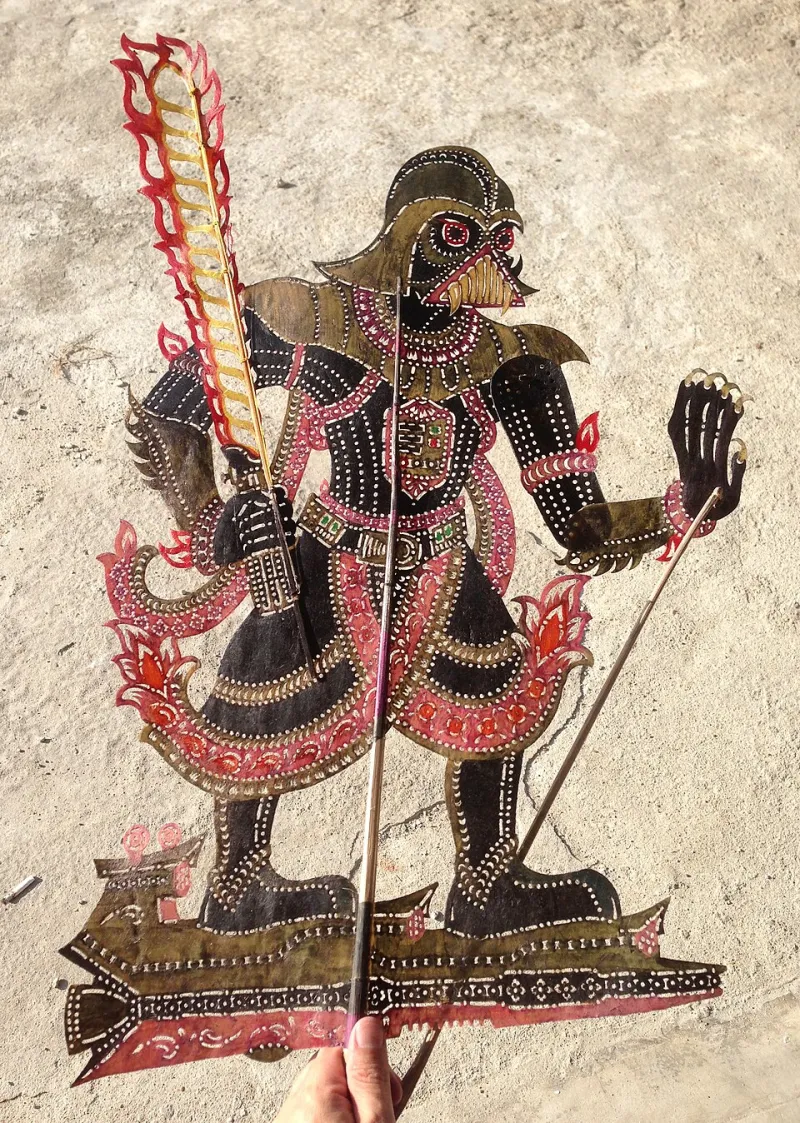
Photo: Fusionwayangkulit, CC BY-SA 4.0, via Wikimedia Commons
There's a moment in a traditional wayang kulit performance when the dalang — the puppeteer, narrator, and spiritual conductor all rolled into one — holds a figure up against the white screen and the whole world seems to shrink down to that single shadow. It's a moment that's been happening in Java and Bali for over a thousand years. But lately, what that shadow is saying has changed dramatically.
Forgot the Mahabharata for a second. Today's most provocative dalang are casting new characters: a corrupt politician with a face suspiciously familiar to Indonesian audiences, a forest spirit watching her home get bulldozed for a palm oil plantation, a young gay man navigating a society that refuses to see him. Ancient form, urgent content. The puppet masters are fighting back.
Not Your Grandfather's Wayang
Wayang kulit — literally "shadow skin" — is one of Southeast Asia's most recognized art forms. UNESCO inscribed it as a Masterpiece of Oral and Intangible Heritage back in 2003. It's the kind of cultural institution that gets celebrated at diplomatic events and printed on tourism brochures. Which is precisely why using it as a vehicle for dissent carries such a particular charge.
When Catur Kuncoro, a Yogyakarta-based dalang in his early thirties, staged a performance where the demon king Rahwana delivered a monologue about government land seizures, the room went very quiet — and then very loud. "People know these characters like family," he told an Indonesian arts journal last year. "When Rahwana suddenly sounds like someone you recognize from the news, it lands differently than a protest sign."
That's the strategic genius of what these artists are doing. Wayang's sacred status in Indonesian culture gives it a kind of protective cover that a street demonstration simply doesn't have. You can't easily dismiss a thousand-year-old art form as fringe agitation.
Climate Grief in Leather and Light
Among the most urgent themes showing up on contemporary wayang screens is the environmental crisis hammering Southeast Asia's most vulnerable communities. Indonesia is losing forest at a staggering rate, and the people bearing the worst of it — Indigenous communities, subsistence farmers, coastal villages — rarely get a platform in national media.
Dalang like Sri Wahyuni from East Kalimantan are filling that gap. Her performances incorporate characters drawn from Dayak oral tradition alongside newly crafted puppets representing mining companies and government officials. The effect is something between documentary theater and ritual ceremony. Audiences in her region have reportedly wept during performances — not just at the artistry, but at the recognition of their own stories being told back to them.
For American audiences who might catch clips of this work on social media — and they do, because this stuff travels — there's an immediate resonance. Think of it as the Indonesian equivalent of climate activist art, except it's operating inside a living cultural tradition rather than outside institutional art spaces.
Queer Shadows
Perhaps the most quietly radical territory these artists are moving into involves LGBTQ+ visibility. Indonesia's political climate around queer rights has tightened significantly in recent years, making direct activism increasingly risky. Some dalang have found that the metaphorical language of wayang creates room to tell stories that would be difficult to tell any other way.
The tradition already contains space for gender fluidity — the character of Srikandi, a female warrior who cross-dresses and takes up arms, has long been a touchstone. Contemporary artists are expanding that lineage deliberately. One collective based in Surakarta has been developing new puppet characters whose gender and desire are left deliberately ambiguous, inviting audiences to project their own readings onto the screen.
"Wayang has always been about interpretation," one member of the collective explained in an interview shared widely in Indonesian queer activist circles. "The dalang doesn't tell you what to feel. The shadow does."
The Backlash Is Real
None of this is happening without friction. Conservative cultural gatekeepers in Indonesia have pushed back hard against what some call a "desecration" of sacred tradition. A few performances have been shut down. Others have faced social media pile-ons from nationalist accounts.
But the artists are mostly undeterred, and some argue the controversy is itself part of the point. Wayang has always been a living tradition — it absorbed Hindu epics, Islamic influences, Dutch colonial-era satire. The idea that it must now be frozen in amber, immune to contemporary meaning-making, is itself a political position.
What's also notable is the international attention this movement is drawing. Arts festivals in Europe and the US have started programming these contemporary dalang, bringing their work to audiences who may never have encountered wayang in any form. That outside visibility, in turn, creates a kind of buffer — it's harder to suppress artists who are being celebrated abroad.
Why This Matters Beyond Indonesia
For US audiences, there's something instructive in watching an art form this old get weaponized this effectively. American culture tends to treat "traditional" and "radical" as opposites. What Indonesian shadow puppet artists are demonstrating is that the oldest tools sometimes cut the deepest — especially when the people wielding them know exactly what they're doing.
The puppet screen is still white. The lamp still burns behind it. But the shadows it casts are telling stories that couldn't be more alive to the present moment. That's not a betrayal of tradition. That's tradition doing exactly what it was always built to do.