Loom Punks: The Weavers Turning Centuries-Old Thread Into a Direct Challenge to Fast Fashion
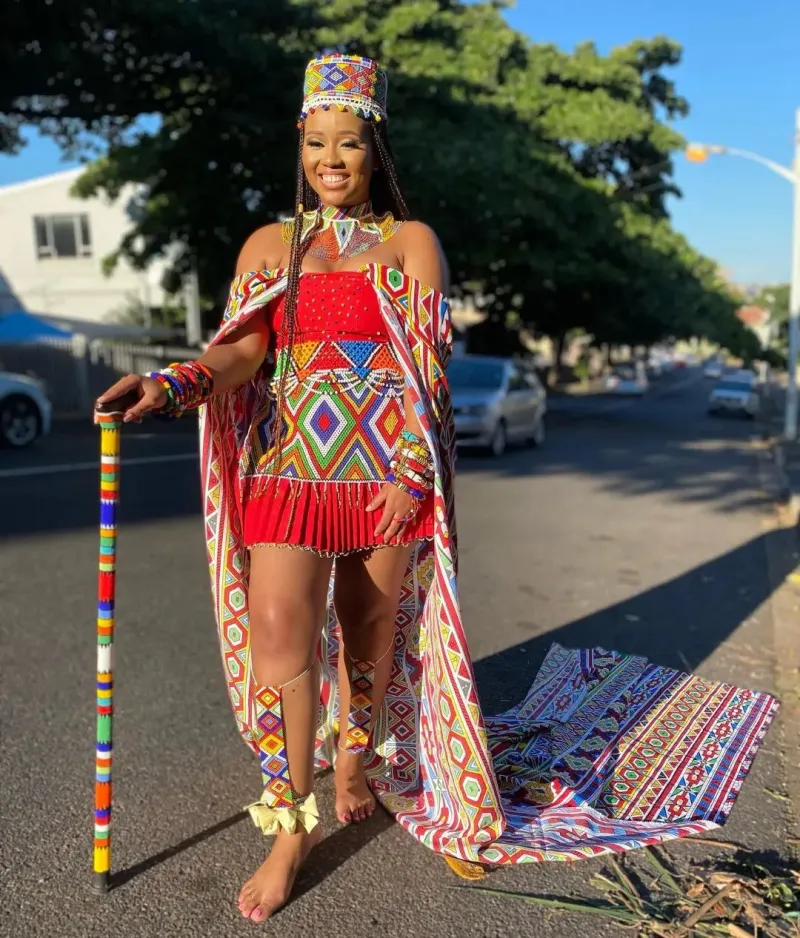
Photo: traditional Indonesian weaver loom handmade textile ikat batik workshop, via eucarlwears.com
There's a particular kind of rage that fuels the best creative rebellions. For Dian Wahyuni, a 28-year-old Javanese weaver based in Yogyakarta, that rage crystallized when she watched a fast fashion brand sell a printed knockoff of her grandmother's traditional lurik cloth — the kind woven with specific color sequences that carry meaning tied to Javanese cosmology — for $12 on an international e-commerce platform. The brand credited no one. They paid no one in her village.
She opened Instagram the same week. Today, her account has over 90,000 followers, a waitlist for custom pieces, and a starting price of $180 per textile. Her grandmother's patterns are still hers.
This is what the slow fashion conversation looks like when it stops being a Western trend piece and starts being a survival strategy.
The Extraction Problem Nobody Talks About
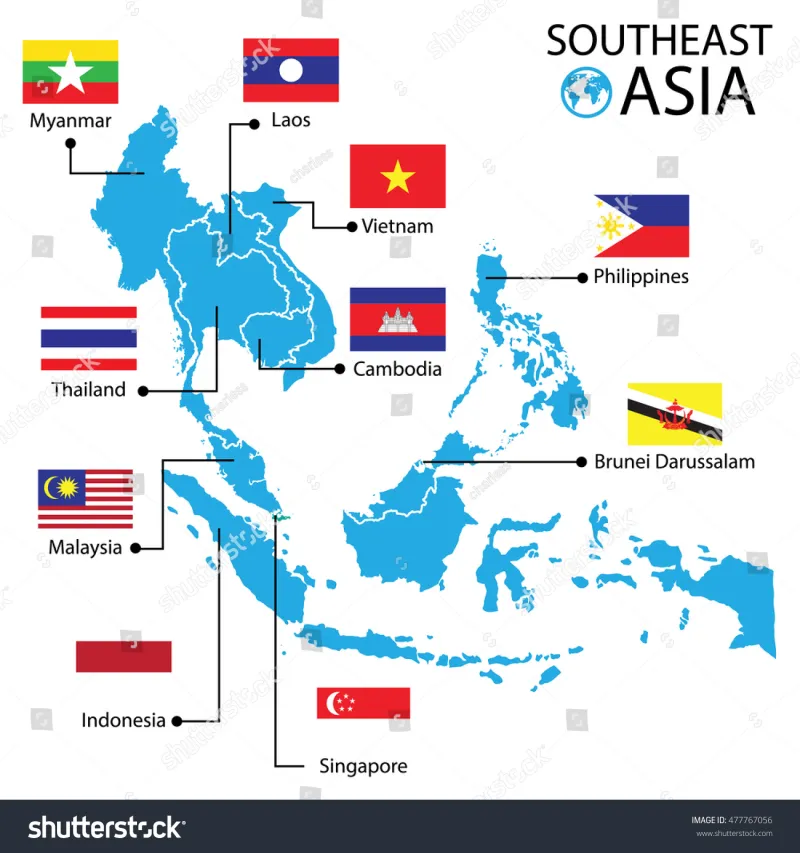
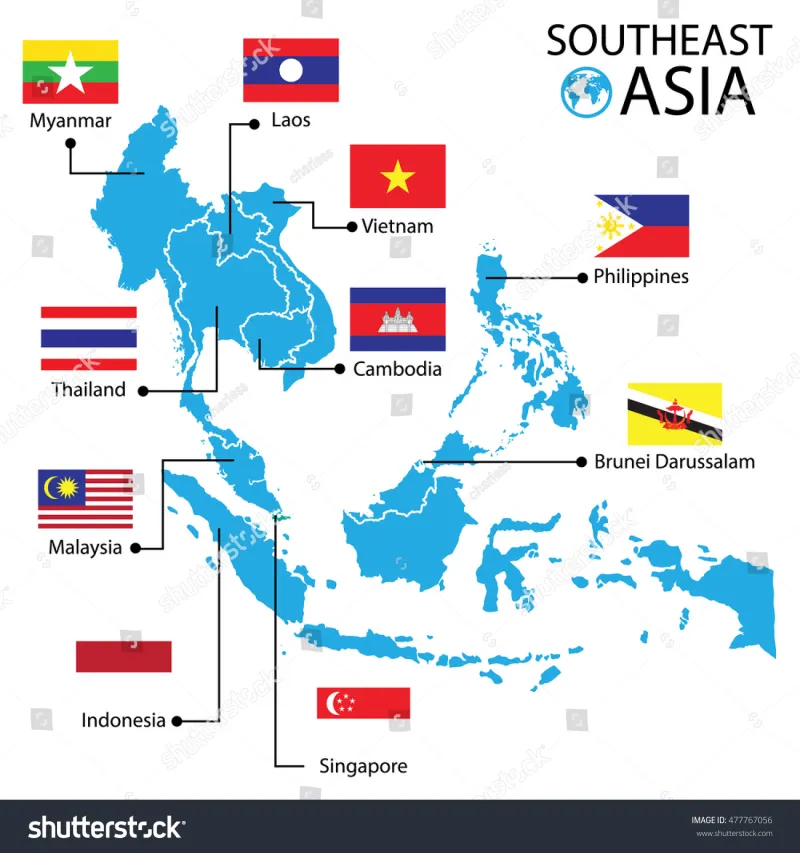
For decades, traditional textile makers across Southeast Asia have existed in a brutal economic paradox. Their knowledge — accumulated across generations, encoded in pattern, dye chemistry, and loom mechanics — was considered raw material. Buyers, often foreign intermediaries or domestic exporters, purchased finished cloth at suppressed prices, then resold it into global markets at enormous markups. The artisans, meanwhile, were kept economically precarious enough that they couldn't afford to say no.
What changed isn't just social media. It's the combination of digital access, a global appetite for authenticity, and a generation of weavers who grew up watching their parents get undercut and decided they were done with that deal.
In Vietnam's Ha Giang province, Hmong textile collectives have started selling directly to buyers in the US, Europe, and Japan through a mix of Instagram reels and WhatsApp orders. The pieces — hand-batik indigo cloth, intricate hemp embroidery — arrive with voice notes explaining the symbolism. Buyers aren't just purchasing fabric. They're purchasing context. And they're paying for it.
Thread Count and Follower Count
Ikat weaver Ni Wayan Sari from Bali's Sidemen village didn't expect to become something of an Instagram personality. She started posting videos of her loom in 2021, mostly to document her own work. The videos showed the meticulous process of binding threads before dyeing to create endek patterns — a technique that can take weeks before a single pass of the shuttle. The comments filled up with Americans and Australians who had never seen anything like it.
"I thought maybe five people would watch," she told a regional craft publication last year. "Then someone in California ordered three panels and asked if I could teach a workshop over Zoom."
She now runs monthly virtual workshops priced at $75 per session. Her textiles start at $250. She has a six-month backlog.
This isn't an isolated story. Across Thailand's northern highlands, Karen weavers are using Facebook Marketplace and Etsy to sell directly into the US market, their pieces tagged with detailed origin stories that would have been invisible in a conventional retail chain. The transparency is the product. Buyers who've grown skeptical of "handmade" labels slapped on factory goods are hungry for the real thing — and they're willing to pay the premium when they can see the hands doing the making.
The Premium Reclamation
What's genuinely radical about this movement isn't just that it's profitable — it's that it's redefining who gets to assign value to traditional craft.
For years, the dominant model was one where Western designers or luxury brands would "discover" Southeast Asian textiles, collaborate with artisans on their own terms, and pocket the brand equity. The artisan got a fair trade certificate and a story in a lifestyle magazine. The brand got a collection.
The new model cuts that loop entirely. Weavers like Dian, Ni Wayan, and the collectives in Ha Giang aren't waiting to be discovered. They're building their own audiences, setting their own prices, and controlling their own narratives. When a New York-based interior designer recently featured Dian's lurik panels in an apartment renovation project shared on Architectural Digest's Instagram, the traffic went directly to Dian's own account. She sold out her available stock in 48 hours.
"The design world used to come to us and take," she said in a recent interview with a Jakarta-based creative magazine. "Now they come to us and pay."
Slow Fashion Isn't Aesthetic. It's Political.
It's worth being direct about what this movement is pushing against. Fast fashion — the $100 billion-plus industry responsible for roughly 10% of global carbon emissions and documented labor exploitation across South and Southeast Asia — has long treated the region as both a source of cheap labor and a mine for aesthetic inspiration. The irony of a fast fashion brand selling "ethnic print" dresses while the actual ethnic communities those prints come from remain economically marginalized is not subtle.
The weavers disrupting this system aren't doing it by lobbying for policy reform (though that matters too). They're doing it by making the alternative so compelling, so visible, and so clearly superior in quality that the comparison becomes uncomfortable. A piece of hand-woven tenun ikat from Nusa Tenggara Timur, Indonesia — where the dyeing process alone can take months using natural indigo and local bark extracts — doesn't compete with a polyester knockoff. It makes the knockoff look like what it is: a theft.
What This Looks Like for US Buyers
If you're in the US and you've ever bought a "global artisan" piece from a big retail chain, there's a decent chance you were sold a story that didn't connect back to the maker in any meaningful way. The new wave of Southeast Asian weavers offers something different: a direct line, a real name, a real place.
Following accounts like these isn't just an aesthetic choice. It's a way of participating in a genuine economic rebalancing — one thread at a time, one post at a time, one sale at a time.
The loom hasn't changed much in centuries. The power dynamic around it, finally, is.