Panels Without Permission: Southeast Asia's Indie Comics Are Coming for the Big Two
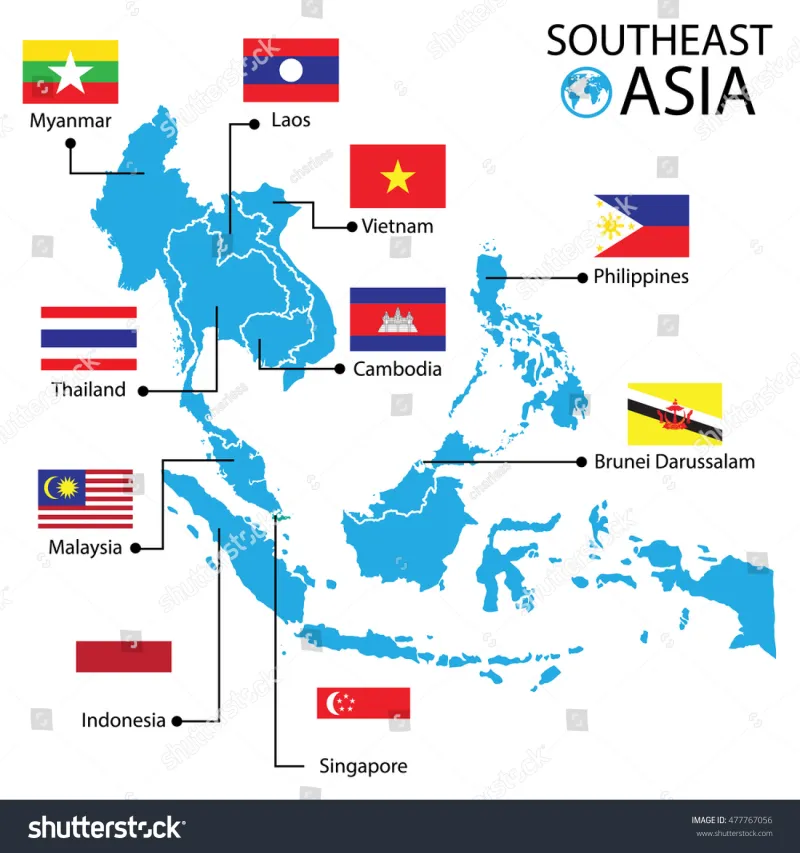
Photo: Southeast Asian comic book artist drawing tablet indie illustration, via image.shutterstock.com
There's a moment that Gio Santos, a 26-year-old illustrator from Quezon City, describes as his creative breaking point. He'd been submitting portfolio work to international publishers for two years — clean lines, solid storytelling, technically impressive stuff — and kept getting the same polite non-answer. Too niche. Not universal enough. Then he posted the first chapter of his Filipino folklore-inspired series Anito on Webtoon, and within three weeks it had 40,000 readers.
"Universal," he says, laughing over a video call. "They kept saying my work wasn't universal. But apparently 40,000 people thought otherwise."
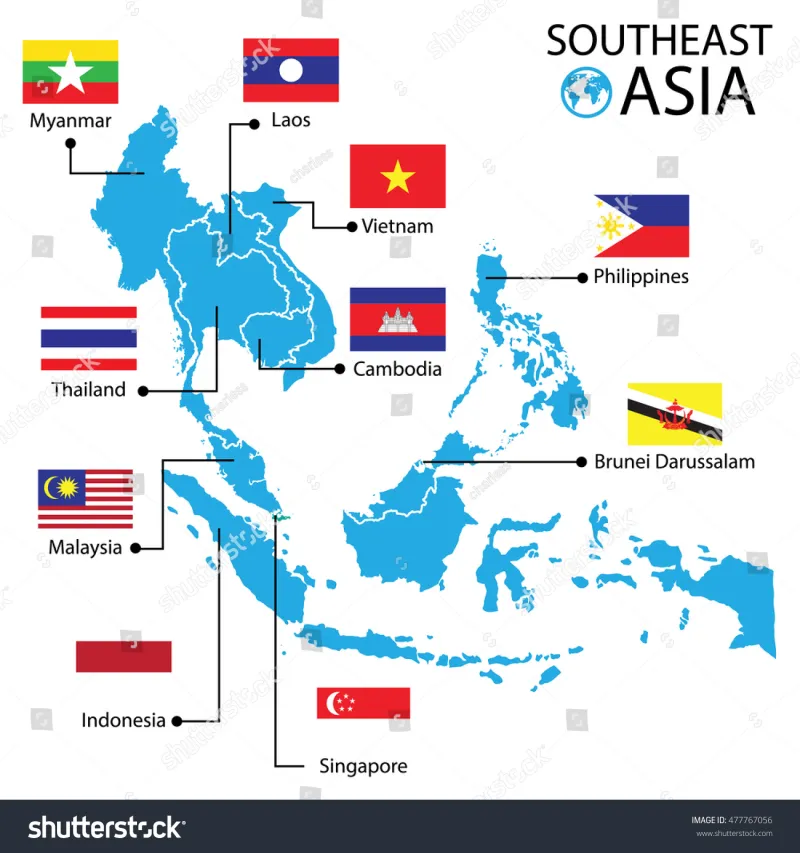
Santos is one of dozens of Southeast Asian graphic novelists who have stopped waiting for the Western comics industry to discover them and started building their own audiences directly. What's happening across Indonesia, the Philippines, Thailand, and Vietnam right now isn't just a creative boom — it's a structural shift in how comics culture works, and American publishers are quietly starting to pay attention.
Manga's DNA, Local Blood
To understand why this movement looks the way it does, you have to acknowledge the elephant in the room: manga. Japanese comics have dominated Southeast Asian youth culture for decades, and their influence is unmistakable in the linework, panel pacing, and emotional register of a lot of indie work coming out of the region. But calling these artists "manga-influenced" undersells what they're actually doing.
Take Jakarta-based creator Nadia Kusuma, whose ongoing series Keris & Kompas follows a teenage girl navigating a steampunk version of colonial-era Batavia. The visual grammar is manga — expressive eyes, kinetic action sequences, that specific brand of quiet melancholy in the between-panels moments — but the cultural architecture is entirely Javanese. Wayang shadow puppet iconography shows up in the character designs. Dialogue slips between Bahasa Indonesia and Dutch in ways that feel historically loaded rather than decorative.
"I grew up reading Naruto and thinking, why don't we have this for our own stories?" Kusuma says. "Not a copy of it. The feeling of it, but with our ancestors."
This synthesis — manga's emotional toolkit applied to distinctly local mythologies, histories, and social anxieties — is arguably the defining aesthetic signature of the Southeast Asian indie comics scene right now.
The Platform Shift That Changed Everything
Webtoon deserves significant credit for creating the conditions this scene needed to thrive. The South Korean-founded platform's vertical scroll format democratized distribution in a way that print simply couldn't, and its built-in global audience meant that a creator in Chiang Mai could reach readers in Chicago without a single publishing deal or distribution contract.
Thailand's Webtoon community has become particularly robust. Bangkok-based artist Pimchanok Rattana, who publishes under the name "Mochi Ink," has amassed over 200,000 subscribers for her series Spirit Market, a supernatural drama set in a night bazaar where ghosts and humans negotiate uneasy coexistence. The story draws heavily on Thai Buddhist cosmology and the specific visual culture of Bangkok's street markets — not exactly the stuff of standard superhero fare — but readers in the US have been showing up in her comments section in droves.
"Americans especially seem hungry for stories that aren't set in New York or some vague fantasy Europe," Rattana observes. "They want to see somewhere real that they haven't seen before."
Kickstarter has played an equally important role for creators who want to produce physical editions. Vietnamese-American artist Linh Tran — who splits her time between Ho Chi Minh City and Los Angeles — funded her debut graphic novel Mekong Ghost Stories through a Kickstarter campaign that blew past its goal by 340 percent. The book, a collection of interconnected horror stories rooted in Vietnamese folklore, is now in its third print run.
Why American Publishers Are Finally Looking South
For years, the conventional wisdom in US publishing was that foreign-language comics needed heavy localization to sell stateside — new names, Americanized cultural references, the rough edges sanded off. That logic is crumbling fast.
The success of manhwa (Korean comics) in the American market, driven largely by platforms like Webtoon and physical releases from publishers like Yen Press, proved that US readers would follow compelling storytelling across cultural and linguistic gaps. Southeast Asian creators watched that happen and drew the obvious conclusion.
Several American publishers — names that haven't gone public with deals yet, though industry chatter is getting louder — have reportedly been approaching Webtoon's top Southeast Asian creators about print anthology deals. Graphic novel imprints at major houses are hiring editors with Southeast Asian cultural competency, which wasn't a job description that existed five years ago.
For Gio Santos, the shift feels real but fragile. "I want a US deal, sure. But I want one where they don't try to make Anito into something it isn't," he says. "The whole point is that it's Filipino. That's not a bug. That's the whole product."
The Knife's Edge of Going Global
There's a tension running through conversations with nearly every creator in this space: the desire for international recognition and the fear of what that recognition costs. The indie comics scene's strength has always been its rootedness — the fact that these stories come from somewhere specific, that they carry the weight of particular histories and particular places.
Scaling up, taking on investors, signing with publishers who want a "global" version of your work — these things have a way of filing down exactly the qualities that made the work interesting in the first place.
Kusuma puts it bluntly: "The moment I make Keris & Kompas for everyone, it stops being for anyone."
For now, though, the scene is navigating that tension with more confidence than anxiety. The audiences are there. The platforms are there. And a generation of Southeast Asian artists has grown up understanding that you don't need someone in New York to tell you your story is worth telling.
They've already told it. The readers already found it. The rest is just paperwork.